
Sydney, Australia December 2025
We started building a different kind of research platform.
In December 2025, DLYTE began its next chapter as a software platform, drawing on more than 15 years of research and design experience.
Why should a business need research expertise to run effective research?
Why DLYTE exists
Research tools have come a long way. But there is still something missing.
DLYTE grew out of more than 15 years working across strategic design, product design and customer research.
Working inside different organisations meant using many research platforms. Some were excellent at recruiting participants; others provided sophisticated ways to run studies and interpret results.
Across them, two problems kept coming up: getting started required research expertise, and findings did not always lead to a clear decision.
THE PROBLEM
Most research platforms assume you already understand research.
Most research platforms are designed for people who already know how to structure a study, choose a method, recruit participants and interpret the results.
Most businesses start somewhere else: with a problem they need to solve.
Why aren't customers taking the next step?
Do people understand what we're offering?
Why are users dropping out?
Is this idea worth pursuing?
What should we improve first?
They know the problem. They don't necessarily know which research method should come next.

Talking to businesses made the gap impossible to ignore.
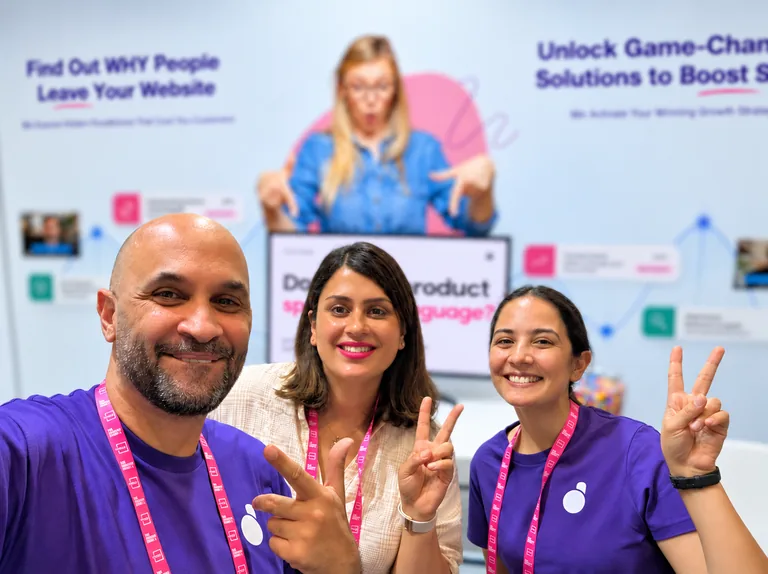
Speaking with startups and growing businesses at an industry expo in 2025 made the gap clear. They understood why customer research mattered, but many saw it as expensive, time-consuming or something that required specialist expertise.
They knew the problem they wanted to solve. They didn't necessarily know how to research it.
Why should a business need research expertise before it can run effective research?
That question became part of the foundation for DLYTE.
But there was another problem
Insight isn't the same as direction.
Research platforms can tell you what participants said, what happened and where patterns appeared.
But businesses still need to know:
So what?
What matters most?
What should we do with this information?
How does it relate to the problem we're actually trying to solve?
What should we investigate next?
Businesses run research to reduce uncertainty around a decision. DLYTE is designed to help close that gap.
Start with the problem. Keep the decision in sight.
Instead of asking a business to begin by selecting a research methodology, DLYTE starts with what they're trying to understand.
A business might say:
People are reaching checkout but not completing.
We don't know if customers understand our offer.
We're considering this idea but don't know if people will value it.
Something isn't working on this page and we need to know why.
From there, DLYTE helps structure the research around the question.
- 01
What are you trying to understand?
- 02
What needs to be learned?
- 03
Which research approach can answer it?
- 04
Who needs to participate?
- 05
What does the evidence show?
- 06
What matters most?
- 07
What should happen next?
That's the thinking behind DLYTE.
Research expertise is supported. Not required.
We're simplifying the process, not the research.
DLYTE isn't about replacing researchers or reducing good research to a few AI prompts. Experienced teams can still run structured moderated and unmoderated studies.
For teams without dedicated research expertise, the platform offers more guidance on what to test, why it matters and how to approach it.
The research discipline remains underneath. The person using the platform doesn't need to carry all the complexity themselves.
You shouldn't need to become a researcher before you can benefit from good research.
Finding people isn't enough
The right people matter more than more people.
Research is only useful when the people participating are relevant to the question being asked. Depending on the study, that might mean matching behaviour, work experience, accessibility needs or category knowledge.
Consumers
Everyday customers and audiences.
Professionals
People matched through role, industry and experience.
Accessibility
Participants with relevant lived experience and accessibility needs.
Specialists
People with particular expertise or category knowledge.
The objective isn't simply to find available participants. It's to find people whose experience makes their evidence useful.
Explore the participant panelWhere AI fits
AI should help make research more useful — not just produce more output.
AI can take on more of the work between a research question and a useful answer. But DLYTE isn't designed around simply summarising transcripts or producing another list of insights.
We combine AI with structured research logic to help teams understand what to investigate, choose an approach, reach relevant people and interpret evidence in context.
The goal isn't just “Here's what people said.”
Here's what the evidence suggests, why it matters and what deserves attention next.
Human judgement remains important. AI helps make the path to that judgement clearer.
New, independent and building deliberately.
DLYTE is based in Sydney, Australia. Since beginning its software chapter in December 2025, we've been building the platform and participant network deliberately.
Research quality, relevant participants and practical business outcomes matter more to us than claiming the largest database.
Australia is where we're starting. The problem we're working on extends far beyond one market.
Founder
Built by someone who's spent years on the research side of the table.
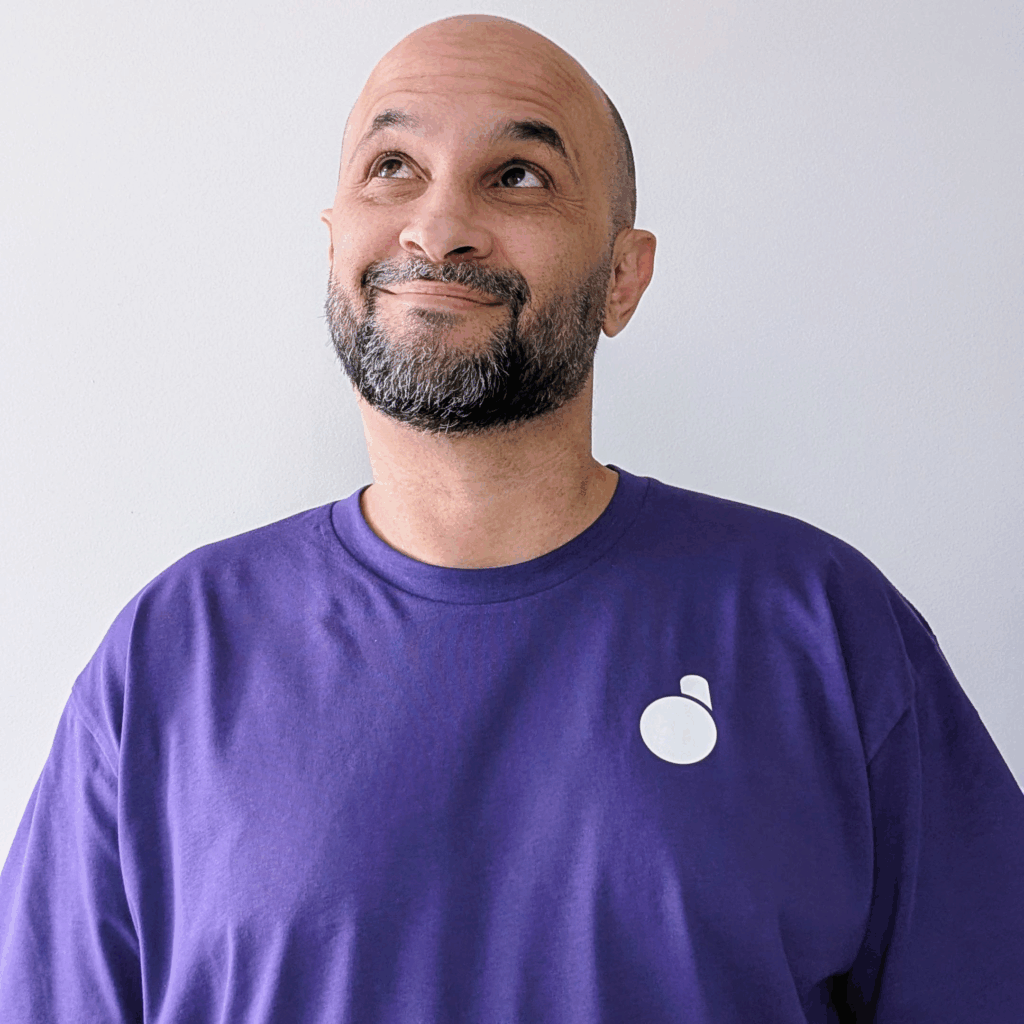
George Kordas Founder, DLYTE
LinkedIn profileFor more than 15 years, George has worked across strategic design, product design and customer research, consulting with organisations facing complex customer and business problems.
Working across companies meant using different research platforms and seeing first-hand how much expertise was often required to connect findings to an actual decision. DLYTE grew from that experience.
Research shouldn't finish with a list of insights. The important question is what those insights mean for the decision you're trying to make — and what you should do next.
What we believe
Three ideas guide how we're building DLYTE.
Start with the problem, not the method.
Businesses should be able to explain what they're uncertain about without already knowing how to research it.
The right people matter more than more people.
Research becomes valuable when the people participating are genuinely relevant to the question.
Evidence should lead somewhere.
A research result should reduce uncertainty and help move a decision forward.
Where we're going
A simpler relationship with research.
We're building towards a future where businesses can start with a genuine question, researchers spend less time coordinating tools, relevant people are easier to reach and evidence stays connected to the decision it was collected to inform.
DLYTE does the heavy lifting between the question and the decision.